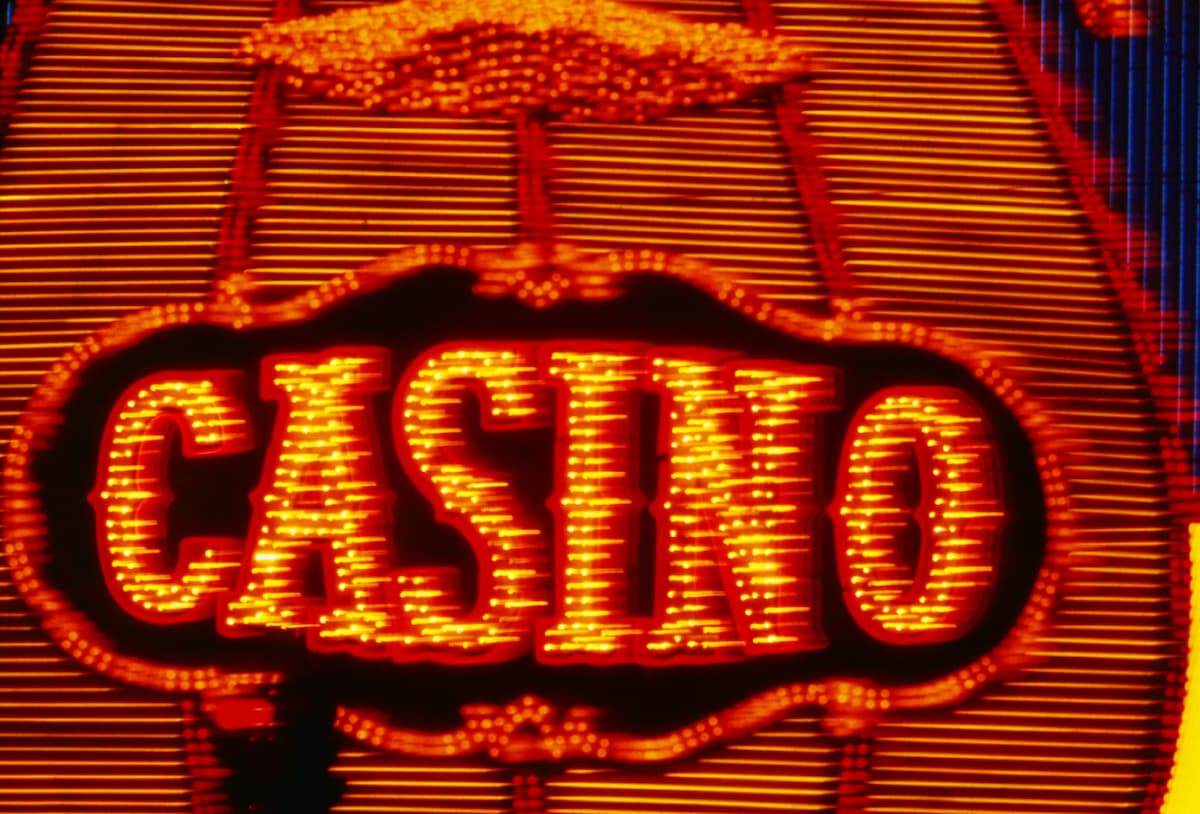
Step into a casino, and you see bright colors. They are chosen on purpose. Red, gold, and dark blue colors make people feel excited and ready to take chances. These colors at National Casino are not only decoration—they are tools.
Why Carpets Matter More Than You Think
The carpet you walk on can change the room. Bright reds or dark purples make it feel lively. A restless floor keeps eyes up, away from exits. If a carpet were plain and soft, players might slow down, relax, and leave sooner. In casinos, every fiber has a job.
Red: The Color of Risk
Red is not just a bold color. It speeds up the heart and stirs energy. Psychologists link it to urgency and passion. Casinos use red walls, signs, and accents to spark quick decisions. At a roulette table framed in red, hesitation fades. Players feel more confident making impulsive bets.
Gold and the Illusion of Wealth
Gold shimmers across ceilings, bars, and slot machines. This color signals luxury and success. It makes the brain feel that money is near, maybe just one win away. A golden light makes everything feel promising. The idea is simple but strong: you can get rich if you keep playing.
Blue: Calm Yet Strategic
While red and gold push action, blue is different. It helps you breathe slowly and feel less stressed. Some casinos use blue in calm areas, like poker rooms, to help players stay patient. The calm tone makes people stay longer, because they feel at ease. Yet, that comfort still serves the house—it extends playtime.
Green and Its Link to Luck
Green recalls nature, freshness, and balance. But in a casino, it signals something else: money. Chips, felt tables, and sometimes wall panels glow with shades of green. Players connect the color to wealth and luck without even knowing it. That quiet link keeps them at the table.
The Trick of Dark Ceilings
Casinos rarely paint ceilings white. Dark colors make ceilings feel lower, pulling attention to the games below. Deep burgundy or navy overhead creates intimacy and focus. The effect is simple: you stop looking up and thinking about leaving. The games become the only horizon.
Signage That Directs Behavior
Signs guide traffic in casinos, but they also guide decisions. Bright yellow or neon signs call players to new machines. Red-lettered promotions feel urgent, pushing immediate bets. Green “exit” signs exist by law, yet casinos dim them or hide them in clutter. Even the font color has a mission.
Why No Windows or Clocks?
Color alone cannot control time. That is why casinos strip away natural light and clocks. Without daylight, it’s hard to tell time. Red, gold, and blue lights take the place of the sun. Every hour feels the same. You gamble longer because the world outside disappears.
Psychology Backed by Research
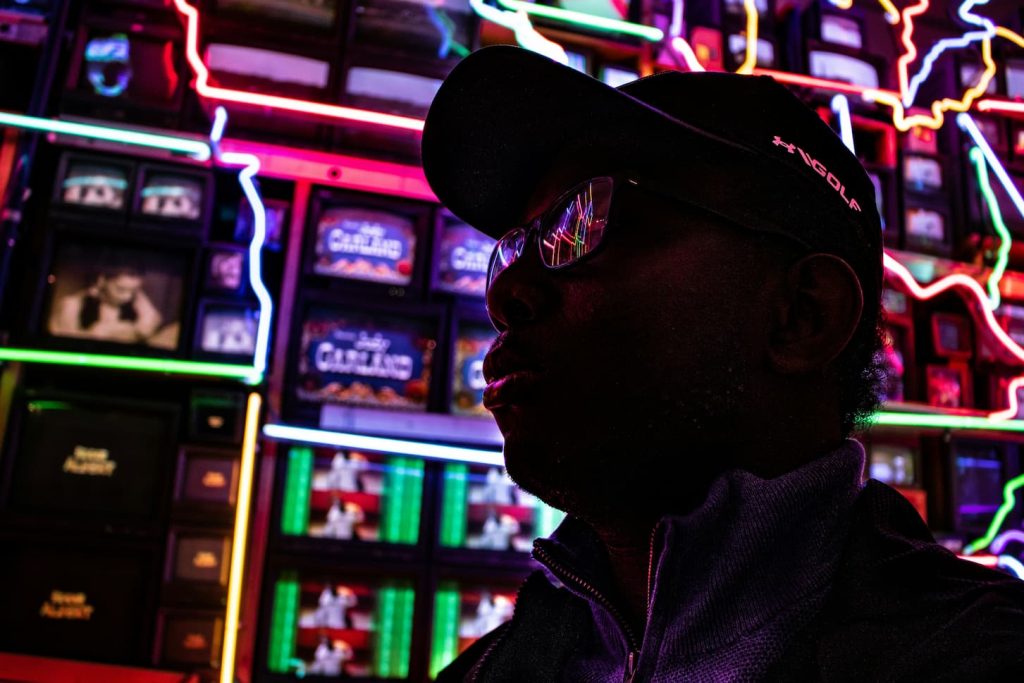
Studies confirm these tactics. Experiments show that red increases risky choices. Blue makes people careful. In a casino, it means they play slower, not stop. Colors don’t make you win, but they can make you stay, bet, and spend more.
Stories from the Casino Floor
A dealer once noted how players at red roulette tables spun more often than those at green tables. Another said guests lingered longer in poker rooms with soft blue walls. Though anecdotal, such stories reveal how often psychology plays out in practice. Design shapes behavior, game after game.
A Subtle Form of Persuasion
Casinos never shout about their design tricks. Most guests think it is all decoration. In truth, it is silent persuasion. A gambler may feel lucky, brave, or calm because of a color choice. But the house has set the stage for that feeling.
Modern Digital Casinos and Color
Online platforms borrow the same ideas. Red “spin” buttons, golden bonuses, and green “play again” prompts echo the strategies of physical casinos. Even on a screen, color steers emotion. It is proof that these techniques translate beyond walls and carpets.
The Ethics of Color Psychology
Here lies a question: Is this fair? Casinos use science to exploit natural responses. Players might think they have full control, yet their environment nudges every choice. Some critics argue this crosses a line. The debate continues, but the casinos keep painting.
